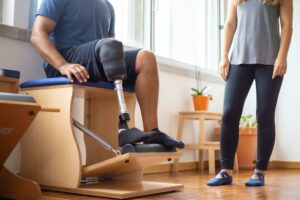
Benefits of At-Home Physiotherapy for NDIS Participants

Physiotherapy plays a central role in helping many NDIS participants build independence, improve mobility, and work toward the goals outlined in their individual plans. For a growing number of participants, this support is now being delivered directly in the home rather than in a traditional clinic setting. At-home physiotherapy has become an increasingly common and practical option within the NDIS landscape, offering a model of care that fits more naturally into participants’ daily lives.
This article explores what NDIS physiotherapy involves, why at-home delivery has become such a popular choice, the key benefits it offers participants, and how to access this type of support through an NDIS plan.
What Is NDIS Physiotherapy?
NDIS physiotherapy refers to physiotherapy services funded under a participant’s National Disability Insurance Scheme plan, typically sitting within the Capacity Building support category, most commonly under Improved Daily Living. These supports are designed to help participants develop skills, build independence, and improve their ability to take part in everyday activities and their broader community.
Physiotherapy under the NDIS can address a wide range of needs, from improving mobility and strength to supporting recovery after surgery, managing chronic conditions, and reducing the risk of falls. Importantly, therapy supports delivered by allied health professionals, including physiotherapists, under the NDIS are grounded in evidence-based practice. You can learn more about this evidence-based outcome through the work of Allied Health Professions Australia, which highlights how allied health interventions funded under the NDIS have been linked to demonstrable improvements in capacity, participation, and long-term outcomes for participants.
Why Choose At-Home Physiotherapy Under the NDIS?
At-home physiotherapy has grown in popularity among NDIS participants for several practical and clinical reasons.
Convenience and Reduced Travel Burden
For many participants, travelling to a clinic can be physically demanding, logistically difficult, or simply not feasible without significant support. At-home physiotherapy removes this barrier entirely, allowing participants to receive consistent care without the added stress of transport, parking, or navigating unfamiliar environments.
Real-Life, Functional Training in the Participant’s Own Environment
One of the most valuable aspects of at-home physiotherapy is the ability to work directly within the participant’s actual living environment. Rather than practising movements in a generic clinical space, physiotherapists can assess how a participant manages real-world tasks, such as getting in and out of bed, navigating stairs, or moving around the kitchen, and tailor exercises accordingly. This kind of functional, environment-specific training can make therapy more directly relevant to a participant’s daily life.
Greater Comfort and Engagement
For some participants, particularly those with sensory sensitivities, anxiety related to unfamiliar environments, or complex support needs, a clinical setting can be overwhelming or distressing. Being treated in a familiar home environment can help participants feel more relaxed, which in turn may support better engagement and participation during sessions.
Supporting Consistency and Session Attendance
Consistency is a key factor in achieving meaningful outcomes from physiotherapy. By removing travel-related barriers, at-home physiotherapy can make it easier for participants to attend sessions regularly, which supports steadier progress toward their functional goals over time.

Key Benefits of At-Home Physiotherapy for NDIS Participants
At-home physiotherapy offers a range of practical benefits that align closely with the goals of many NDIS participants.
Improved Independence in Daily Activities
A core focus of NDIS-funded physiotherapy is building the skills and physical capacity needed for greater independence. At-home sessions allow physiotherapists to work directly on the specific tasks a participant needs to manage independently, whether that’s transferring safely from a wheelchair, dressing, or moving around their home.
Fall Prevention and Safety in the Home Environment
For participants at risk of falls, an at-home physiotherapist can directly assess the home environment for hazards and work on strength, balance, and mobility strategies specific to that space. This practical, environment-based approach can be more directly applicable than generic fall-prevention exercises practised in a clinic.
Tailored Exercise and Mobility Programs
Because sessions take place in the participant’s own environment, exercise programs can be designed around the equipment, furniture, and layout the participant actually uses day to day, making them more practical to follow and maintain between sessions.
Better Carer and Family Involvement in Therapy
At-home sessions often make it easier for family members, carers, or support workers to be present and involved in therapy. This can help ensure that exercises and strategies are reinforced between physiotherapy visits, supporting more consistent progress. Working alongside an experienced physiotherapist in this way allows the entire support network around a participant to stay aligned with their therapy goals.
How to Access At-Home Physiotherapy Through Your NDIS Plan
Accessing at-home physiotherapy through the NDIS generally involves a few key steps.
Understanding Funding Categories
Physiotherapy is typically funded under the Capacity Building support category, most commonly within Improved Daily Living, which is designed to help participants develop skills and build independence. In some cases, physiotherapy may also relate to Improved Health and Wellbeing, depending on how it connects to a participant’s broader health needs. It’s important to check which category applies to a specific plan, as this can affect how funding is allocated and used.
Referral and Plan Review
Some participants may require a referral from a GP, specialist, or support coordinator, while others may be able to access physiotherapy directly, depending on their plan management type. If a current plan doesn’t include adequate funding for physiotherapy, this can often be discussed and adjusted at the next plan review.
Choosing a Suitable Provider
Once funding is confirmed, participants can choose a provider that offers the type of service that suits their needs. Providers offering NDIS physio as an at-home service can work directly with participants to align therapy with their specific functional goals, taking into account their environment, support network, and daily routine. It’s worth discussing session frequency, costs, and expected outcomes clearly with any provider before beginning therapy.
Self-Managed, Plan-Managed, and Agency-Managed Considerations
How a participant’s plan is managed can also affect provider choice. Self-managed participants generally have more flexibility in choosing a provider, while plan-managed and agency-managed participants may need to select from registered providers or work within set price limits. Clarifying this early can help avoid unexpected gaps in funding or service delivery.
Who Can Benefit Most From At-Home NDIS Physiotherapy?
While at-home physiotherapy can suit a wide range of participants, it tends to offer particular value for:
- Participants with significant mobility limitations that make travel difficult or unsafe
- Those with sensory sensitivities or anxiety related to clinical environments
- Participants with complex support needs who benefit from therapy delivered alongside carers or family members
- People recovering from surgery or a health event who are not yet able to travel independently
- Participants whose functional goals are closely tied to specific tasks within their home environment
As with any therapy decision, suitability should be discussed with a qualified physiotherapist, who can assess individual needs and recommend whether at-home care, clinic-based care, or a combination of both is the most appropriate approach.
Conclusion
At-home physiotherapy offers NDIS participants a practical, evidence-informed way to build capacity, independence, and confidence within their own environment. By removing travel barriers, enabling real-life functional training, and supporting greater involvement from family and carers, this model of care aligns closely with the core goals of many NDIS plans. For participants weighing up their options, understanding how at-home physiotherapy fits within their funding category and support needs is an important first step.
Anyone considering physiotherapy under their NDIS plan, whether at home or in a clinic, is encouraged to speak with a registered physiotherapist or their support coordinator to determine the most suitable approach for their individual circumstances and goals.
Disclaimer: This article is intended for general informational purposes only and does not constitute medical or financial advice. It should not be used to diagnose, treat, or manage any health condition, nor as a substitute for guidance from the NDIA, a support coordinator, or a qualified healthcare professional. Individual eligibility, funding arrangements, and treatment outcomes vary, and outcomes cannot be guaranteed. Please consult a registered physiotherapist and your NDIS plan manager or support coordinator for advice tailored to your specific circumstances.